How to build a MODERN CLASSIC sports car

Can a sandwich save the day?

Sadly, not many niche sports cars are left now. Spiralling labour and material costs have turned what once were affordable cars into expensive toys for the few.

But a new technique could literally halve production costs and it’s fast too.

Furthermore, it is particularly applicable to electric cars, but let’s look at the traditional side first.

Usually, body panels are fixed onto complex wooden or steel-tubular frames along with lots of hammering and welding and many expensive man hours.

Intrinsically these techniques are very good. Wooden frames (Morgan, Marcos) can be surprisingly strong. The largely wooden WW2 Mosquito flew with a massive Merlin engine on each wing and you can’t get much more demanding than that.

Space frames are almost universal (Caterham, TVR, Westfield, Donkervoort, Maserati etc) and with body panels attached they are remarkably strong and light – if only we could get away from the labour-intensive procedures involved.

As it happens, we can combine complex wood and metal frames with attached body panels quite easily. Furthermore, it can be done with great speed and accuracy and all automated too.

It all starts with a sandwich. A sheet of aircraft-grade birch plywood and an aluminium sheet glued together.
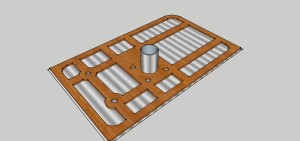
With a CNC router, machine away the plywood to leave complex shapes and struts to give strong, light and complex components. Any mounting holes or slots are accurately placed in seconds. Note how the aluminium body panels are already glued to the formed struts.

Next, a CNC laser cutter swiftly cuts through the aluminium sheet to separate the various components; deliberately exposed flanges can be peened over to increase strength and appearance.

Note that, at this stage, all the teams of tappers and welders have been replaced by a couple of CNC machines. Often the machines are beavering away with no one there at all – might as well turn the lights out then.

So far so good but this technique can be taken so much further.

Back-to-back panels

Panels can be doubled up with wood sandwiched in the middle and aluminium outsides. Immensely strong components are the result and with attractive curved edges if required. For example, a side body panel now strong enough to double as a chassis.

To enable through-bolts to be tightened without crushing the wood there will be plug pairs inside with a star washer in between to further transmit any applied load into the wood.

Folds

Machine a ‘V’ groove into the wood and the panel can be folded along that line using the aluminium as a hinge. This enables structures to be more than two dimensional and makes seamless direction changes possible. Rounder corners are also possible by wrapping the corner round a tube which is not only attractive but offers a useful conduit for wires, brake lines etc. You’ll see below that all the seams are folded inwards so that when the panels are bolted and glued together the outside finish is clean aluminium.
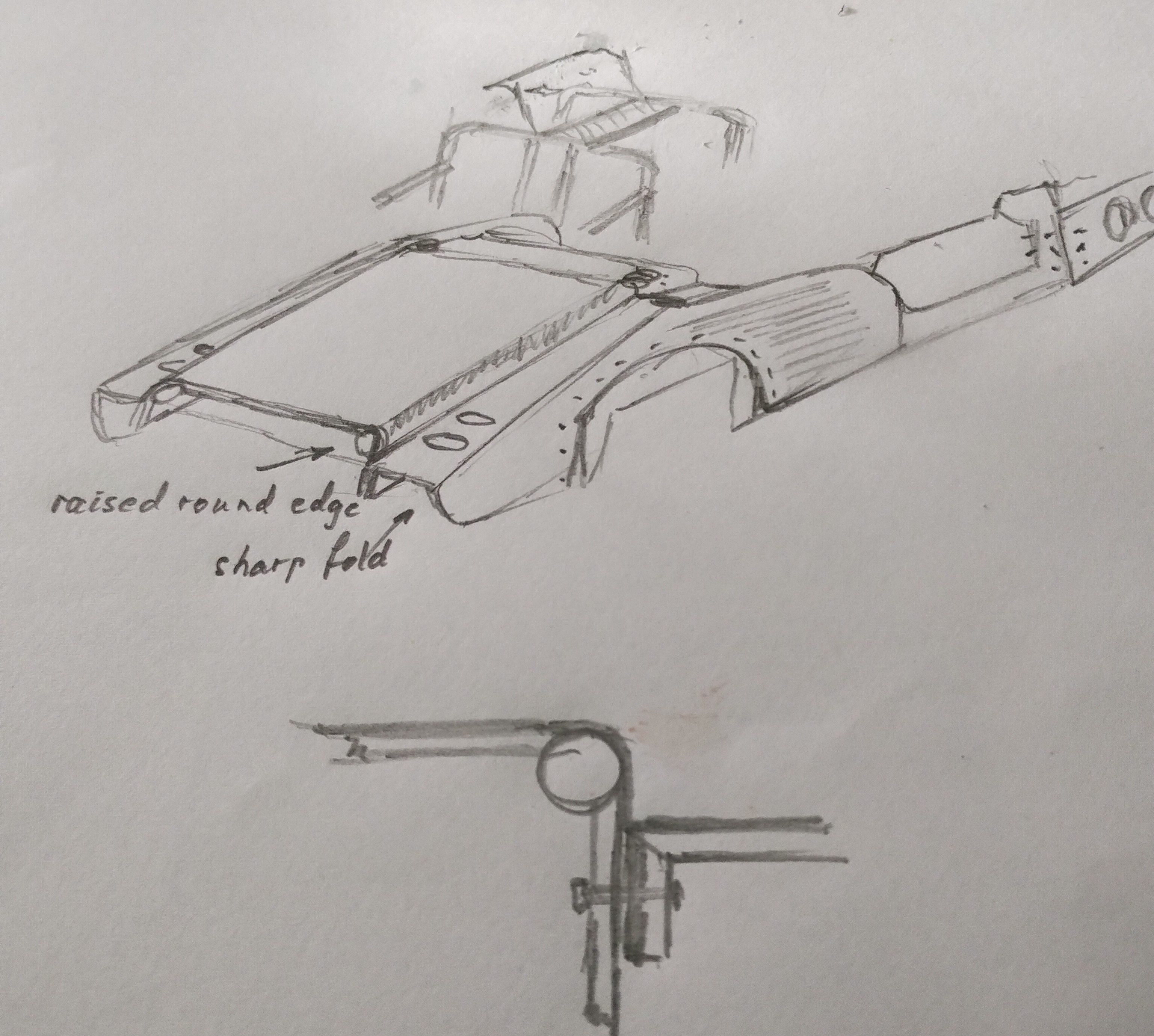
The fold-round-a-tube concept could be significantly extended. If that tube was part of the steel tubular sub-structure then the added strength of the panels would be significant. For example; the roll bar supports in the rear section would make immensely rigid supports to the rear subframe.

Note that the rounded corner allows room for a press to make the bend accurately and the power allows more choice of cover materials; stiffer ally for example or even stainless steel. Not all the bends have to maximise strength though; a plastic coat is cheaper and allows for interesting printed finishes or even wraps. Interior panels can be leather wrapped even at this early stage in production.

Angles and joins

The basic sports car shape is a box at the back and a tapered front section. This leads to an angled joint, often between separate sections, and this will require an angled plate, or two, to be bolted across the join. As this is usually at the front bulkhead there is scope to make the plates in steel welded to a roll cage/screen frame. If you have to keep it neat, a plate can be fitted right inside the sandwich but obviously it can’t be welded to anything.

Centre console

This centre console has side panels with appropriate slots inside to take flat slats across. With our trusty router we’d machine all the switch holes etc in the flat and then bend the ally to fit slats to slots. Wood veneer on the outside or ally? Decisions. You can see that an expensive looking centre console is actually just a trivial machining exercise done in a few minutes.

The old ways – but obsolete?

I’d start with Mazda MX5 subframes with all the suspensions diff etc attached. From a production point of view having all these components added to the car with a few buzzes of a nut spinner is a huge plus.

Sticking with Mazda theme a Ford Duratec 2.5 four-cylinder engine is the obvious choice. With VVT this engine goes from a docile traffic crawler to a mad screamer, all at a low price.
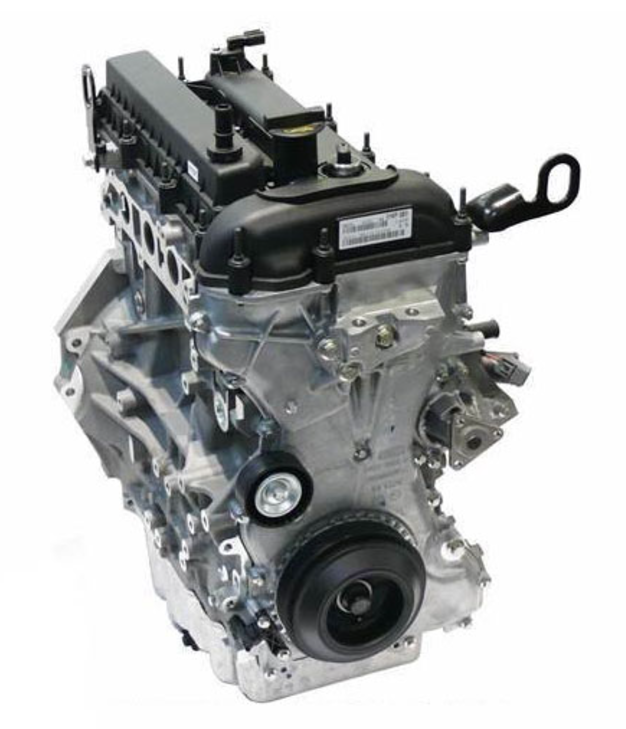
Give it the period look with Jenvey Webber 45 DCOE replica throttle bodies which, along with a few mods, will be good for 240bhp.
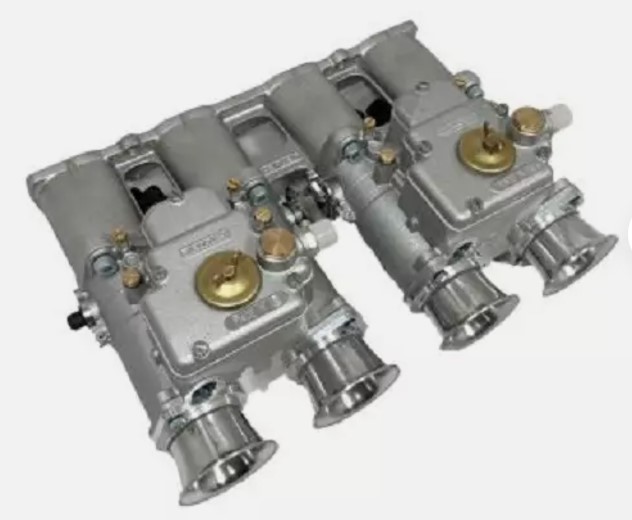
Apart from being a perfect engine choice, it already sits on the MX5 subframe and bolts up to one of the best manual gearboxes available. There is a good chance that the standard propshaft will fit too. Supercharging (Sprintex) can add well over 100bhp but that’s hardly needed for a light road car – or is it?
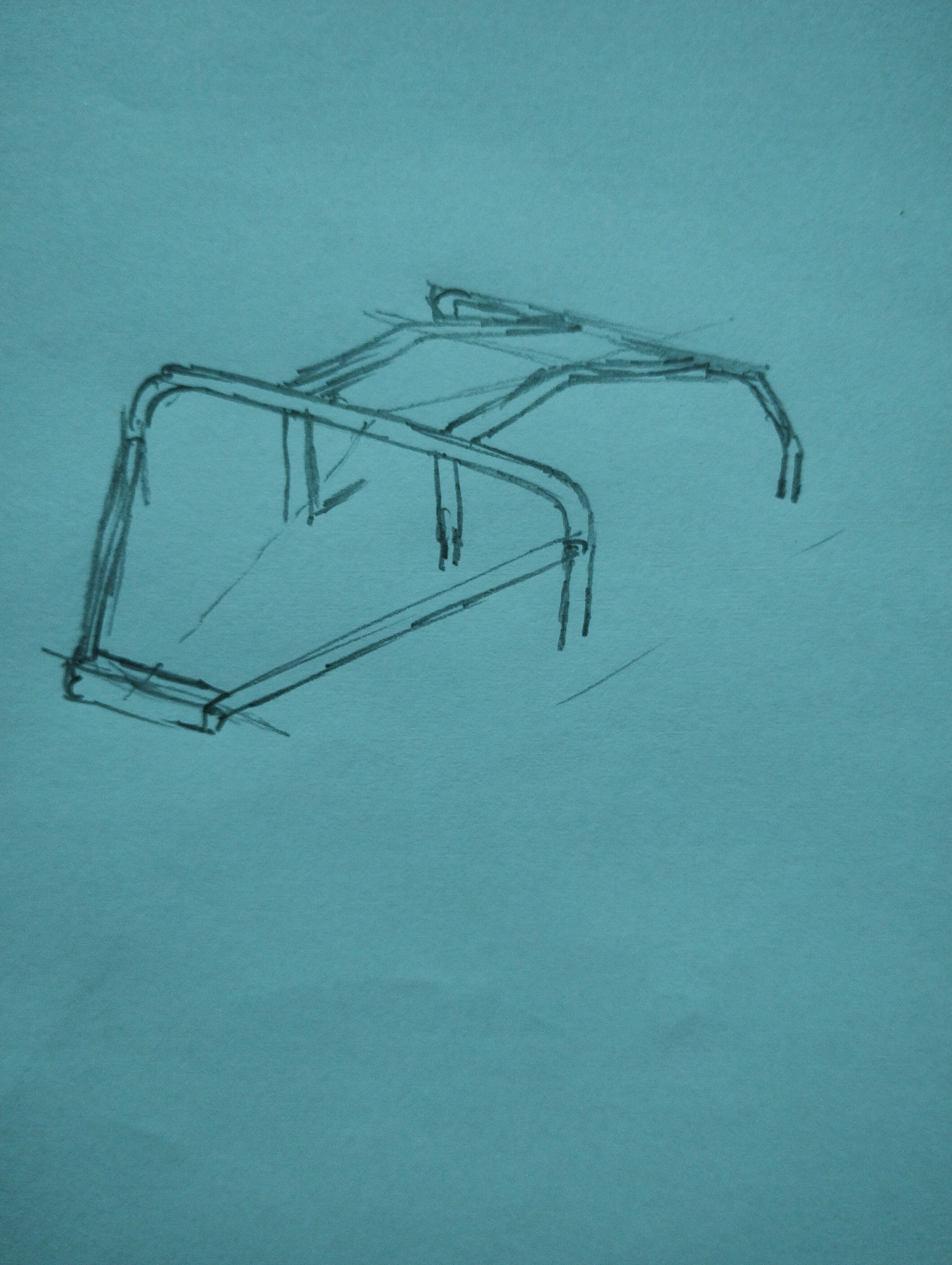
Very fast open top sports cars are downright dangerous. The trouble is you can arrive anywhere very suddenly, and at speed, which catches out other road users and increases the chance of an accident. So, I’d definitely want front and rear roll hoops. I’d go further with connecting tubes down the middle of the car roof to give a radical increase in rigidity. Then I’d do the usual wood and aluminium wrap around the tubes to get a targa top and I’d finish that off with openable and removable polycarbonate roof panels, as sketched previously – instant access for tall drivers at last. Of course, the inside of the roof panel would be machined to take a dash cam, switches and lights – just like a fighter jet then.

Extras – CNC machining already adds huge labour saving value to the panels and this can be taken much further. For example, side panels could have brake lines trapped neatly in the sandwich and the same for wiring too. Pockets for loudspeakers are simple to incorporate; just a few more lines of code for the CNC router. Each panel would become a sub-assembly in its own right and this enables the final assembly of the car to be much quicker and neater.

Just by removing wood air ducts can be pre-machined inside the sandwich and this begs the question; could all the components for a heater be incorporated into the dashboard? The external blower just leaves the heat exchanger to fit. Ducts lead to manually adjustable outlets such as the eyeball jobs seen on Cortinas.

You know that brolly hidden in the door idea? A few seconds extra on the CNC so why not?

The laser cutter can make a complex logo in seconds; polycarbonate backing with press fit LED bulbs completes the job. There are no particular restrictions on size so, for example, a huge logo on the back of the car could double as a brake light.

Wings, cowl, seats, heater etc etc – If you are a manufacturer with these on the shelf for an existing car, that would be a good start! I once saw a classic car that was entirely polished aluminium and chrome; might have been an SS Jaguar. Anyway, it looked absolutely fabulous and that look is possible here.

Electric Vehicles

The incredibly light but strong panels described above are perfect for electrification. It’s all about how the loads are fed into the corners via panels that double as chassis members..

The flat plate concept
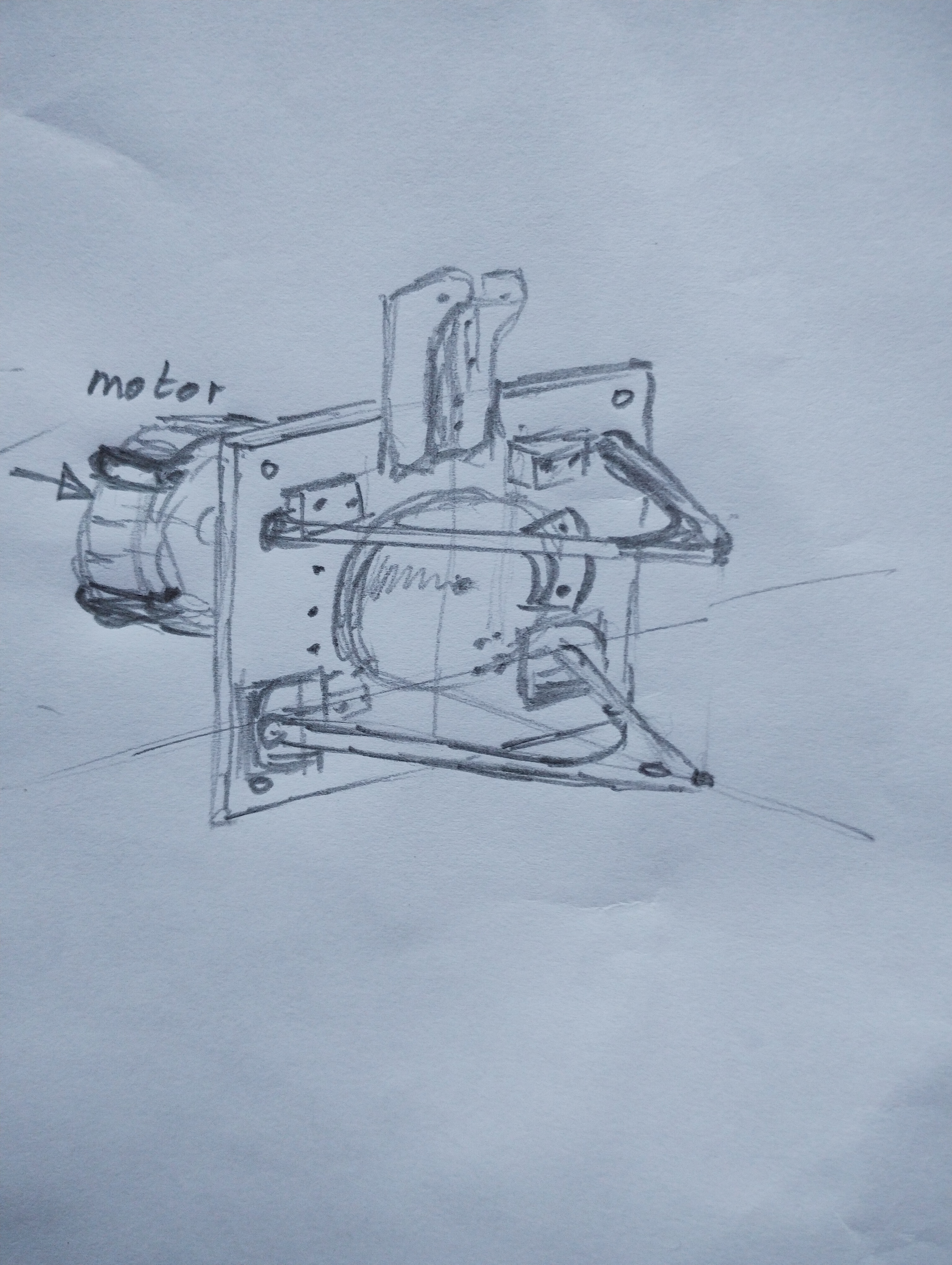
Take any corner of the car and start with a flat plate. On the back of it bolt on an electric motor. On the other side goes a brake disc with its caliper bolted directly to the plate. Unequal length suspension wishbones have mounts bolted to the front and back of the plates and a coilover mounted at the top. That’s about it; all rather neat, simple and cheap, and incorporated beautifully with the body panel which goes between the motor and the plate. Remember, the brake line is already embedded in the body panel so that’s neat too. The motor is brought inboard and protected from the elements. Note the benefits to unsprung weight with inboard brakes. To prevent excess heat from the brake disc being conducted to the motor it will be necessary to space them apart with a coupling in between. The chassis/body panel will also provide some separation and conduct heat away too. Bear in mind that regenerative braking takes away a lot of energy and also that the brake disc can be as big as is needed without having to fit inside a wheel – plenty of space for another caliper if needed.

Talking of cooling; any ally clad panel with Alupex pipe inside (like underfloor heating) would make a cheap oil cooler – not particularly efficient but very neat and dragless too.

Would the plate concept be cheaper to build? Those complex subframes for example – gone. Engine, gearbox, propshaft, diff, all gone. Of course, the neatness of this arrangement easily allows rear-wheel drive or four-wheel drive where 0-60 times under 3 seconds are realistic.

N.B. We still need a deep propshaft tunnel for strength – good place for some batteries. Low polar moment of inertia and all that.

Embedded wires concept – A few motors and battery packs all need heavy wires to connect them. Our flat panels can replace wires with thick aluminium ribbons trapped inside. This could even be like a ring main all round the car; batteries feed in, motors (via inverters) take out, with hardly a wire in sight. Of course, extra strips of aluminium inside body panels all add to the strength; structural wiring! You heard it here first.

Summary – A quickly assembled set of panels make an incredibly light but strong basic body which is so inexpensive it’s hard to see how it would cost more than £2,000, and don’t forget, it does away with a chassis and comes with every mounting hole placed with precision accuracy. Based on an assembly of flat panels it is exceptionally suitable for older style vehicles. Combine all this with the flat plate drive/suspension units and electrification looks like the way ahead.

P.S. Forgive me for trawling through the traditional concepts first but, by contrast, it shows how the electric version is so much more exciting and so delightfully simple that it sweeps away all those old ways of doing things.

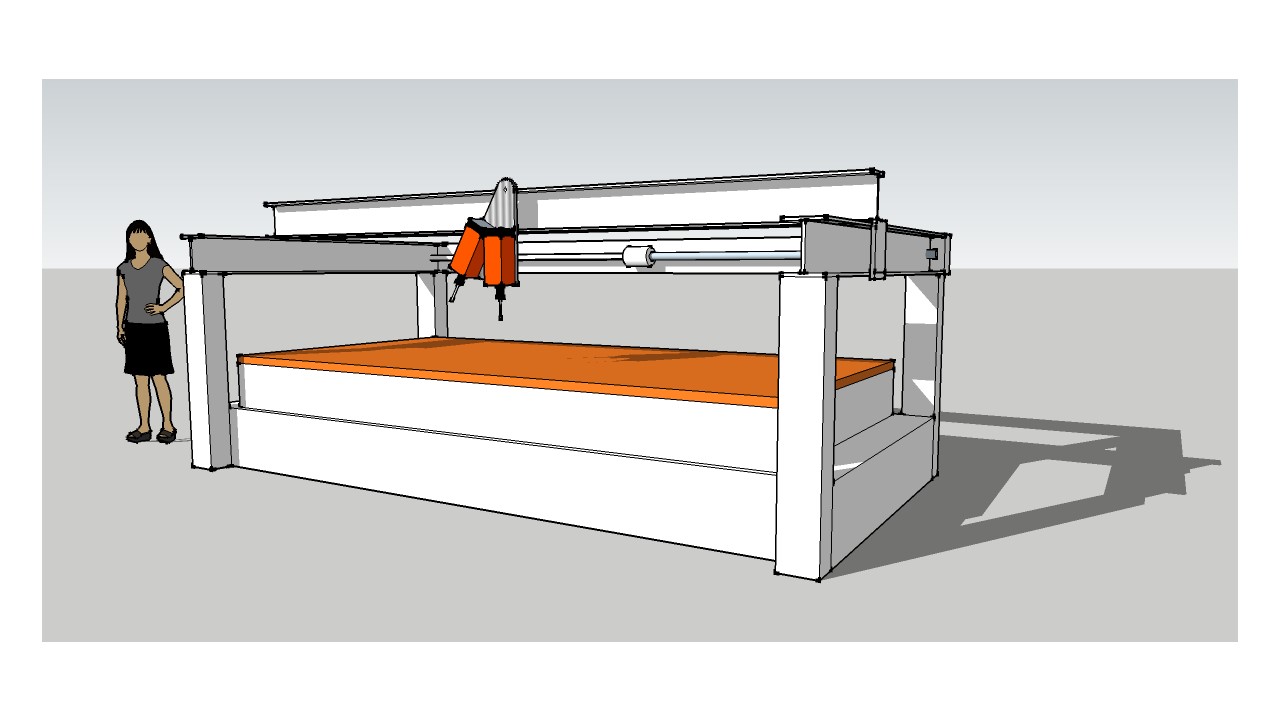
CNC routers – If that’s a new world to you I’d recommend CMS from Italy. I’ve used one with six 20hp router motors and twin tables – an awesome beast.

or – here’s one I designed earlier
Fan car – Ring record threat

The notes below were written in 1986. Since then a few notable fan cars have appeared (McMurtry Speirling, Ariel Aero P, GMA T.50) and a student project car even did 0-60 in one second. None of them have attempted a Nurbergring record and maybe with one particular reason. When a car is ‘sucked’ down hard on its springs it will be ready to jump back up if the downforce is released in any way and that only serves to break the sucktion even more. Rough circuits are just not suitable for fan cars. So far, no one has followed the OriginalTwist answer to this problem; does it make sense – read on and please feel free to comment.

1986 There’s a good reason why fan cars have been banned in motorsport. Cars sucked to the ground will always produce astonishing cornering accelerating and braking performance but any disruption to the skirt contact with the ground – such as running over a kerb – is likely to see a very rapid accident under way. Of course, a car that literally scrapes along the ground can only be used on very smooth race tracks and would be impractical for the road. The engineers at Original Twist don’t entirely agree and think a new approach is called for. Here is the Original Twist fan car design. The usual idea is that flexible skirts on the car scrape along the ground to maintain a seal, the air pressure inside the skirt is reduced with a fan and the pressure differential forces the car down. The Original Twist idea deviates by separating the skirt from the car; an independent suction pad is held under the car and with its lightness and agility this pad is free to track the road contours even if the car is in more vigorous motion.

The suction pad is circular in order to keep the air bleeding edges to a minimum. A 60” diameter area with a 1 psi pressure drop will produce 2,800lbs of downforce; about the weight of a car then.

The suction pad is not directly attached to the car. Instead it rides on 4 small wheels like a circular go-kart which is towed under the car.

Fan car suction ring

Fan car suction ring

The skirt edge is held very slightly off the ground so there is no horrible scraping noise as you move along. The skirt is different too and employs hovercraft principles in reverse. Apart from the main extraction fan, air is blown out of slots round the edge against the air that is trying to get in and that makes an inertial barrier. The blowing can be done with an extra fan in the nose of the car for example. The extractor fan probably won’t double up as the blower because the pressure/flow characteristics are different but it would be worth investigating. A concertina bellows connects the skirt edge to the underside of the car floor and the seal is complete. The skirt/kart is pressed lightly to the ground by the trailing links that locate it and although the relatively heavy car might be jumping and jiggling the skirt will tend to remain flat on the ground and unlikely to reveal a sudden and potentially deadly pressure change.

With an electrically driven fan the downforce on the car can be tightly regulated and as aero downforce comes with speed the fan speed can be decreased accordingly until eventually there is no need for it and the whole underkart can even be retracted. The retraction feature makes the fan car suitable for the road; a fan car that can cope with humps and farm tracks and then pop round the Nürburgring in 5 minutes has got to rewrite the book somewhat.

While all this is alluringly simple there is one complication. Cornering with 8 wheels instead of four is going to be out of this world but the kart wheels will need to be steered unless they are on castors. A supermarket trolley under the car won’t add much dynamically but a steered go kart, pushed down very slightly by the trailing arms, will make a major contribution to the cornering forces.

The potential for electric sports cars has been examined in

https://originaltwist.com/2015/11/04/electric-sports-car-2020/

but the main point is that all the performance extremes of current supercars, in terms of acceleration, cornering and braking , can be exceeded by a factor of two or more. That means forces on your body, and head, of over 2g. It’s like doing press ups with someone sitting on your back so you’d need to be immensely strong to try the brakes without a full harness seat belt on. Cornering and braking at the same time would see you clawing your way out of the passenger footwell.

Formula One drivers experience forces like this but now a moderately priced sports car will be able to deliver the same. Headline figures of 0-60 in 1.5 seconds and 120mph in around 3 or 4 seconds will reset the performance bar in a shocking way. A 5 minute ring time is technically possible – just a question of who and when?

Note: Suck is a concept for when the force of atmospheric pressure – or other – acts against an object with lowered pressure on the opposite side. Really there is no such thing as a sucking force; when you ‘suck’ on a straw it is atmospheric pressure pushing your drink into your mouth.

With any fan car it is the weight of the atmosphere above the car which is pushing it down.

Atmospheric pressure is 14.7 psi at sea level so this sets the theoretical upper limits of our skirt with a total vacuum on one side. That would be about 18 tons in this case so the 1 psi pressure drop that equals the weight of the car is not too much to aim for and might easily be exceeded.

2025 revision

To make the skirt/kart simpler and neater I have revised my ideas as follows:

More rectangular in shape and made of box section. Holes are drilled all round the lower outside edges and the lower lips of the holes are peened down to give the counterflow jets a downward component.

Leading edges of the frame are angled back to deflect road debris and the front wheels go outside in the resulting space. This allows easier access for the steering mechanism. The frame will inevitably suffer the odd scrape so a sacrificial strip is screwed to the underside – dense polyurethane probably, like skateboard wheels.

Watts linkages front and rear give lateral stability and two large trailing arms give fore and aft location and also apply some downward pressure. They also lift the whole assembly to retract it.

The two fans can be driven by one motor and belt drives.


Leave a comment

This site uses Akismet to reduce spam. Learn how your comment data is processed.

Modern canal boat

click to enlarge

click to enlarge

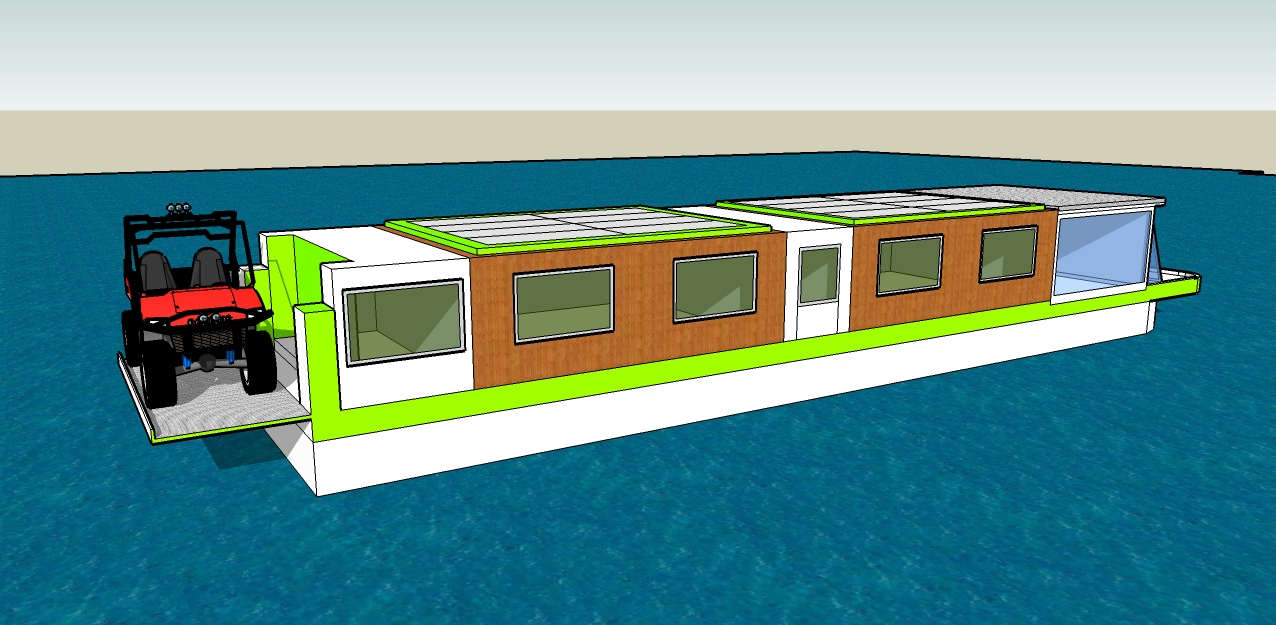
Introducing the Original Twist canal going house boat; in the style of a narrow boat only bigger, better and absolutely modern. As a living unit it presents an economical lifestyle choice. For around £160,000 you get very low cost housing and maybe some change left over for a holiday house, long ski breaks and other good things. A comparable land based house or flat would be twice the price because of the cost of land, a boat on the other hand effectively rents the river via the canal licence and avoids council tax. This one avoids energy bills too which is a good start.

A house boat might be small but as well as reduced outgoings there are some great advantages. You are never stuck anywhere you don’t like; if you need a change you can just cruise to somewhere else, maybe near a cosy riverside pub. River life can be like an aquatic pub crawl but without the driving. You’ll make more friends among the friendly and hospitable canal community too, especially with the most interesting boat on the water.
There is more scope for travel than just the English waters as you can get a tow across the channel to use the huge French network extending all the way down to the South of France where winters are not so harsh. Otherwise the house boat is an attractive proposition for a house swap so the whole world is your lobster.
It’s a tough life being retired!

The Original Twist Eco-house boat is all about, modernity, comfort and enough economy to make a modest pension go far. Many traditional boat ideas have been updated to achieve this.

Construction
Unlike a go-anywhere narrow boat ours is 10 feet wide and 55 feet long – we’ll forgo visits to a few stretches of narrow canal in exchange for a lot more room and the garage – yes that’s right, a garage.
The shell of the boat is normal steel but without the enclosing steel roof parts. The front saloon and the rear transom are full height steel as is the central bulkhead that separates them. The two open parts between the steel constructions are connected at roof level by tubular trellised ladder frames which run the length of the boat interrupted only by the central bulkhead. The open parts of the boat are then covered by 2 insulated wooden rooms made of plywood and foam panels (SIPS).which are factory prefabricated – complete with windows, pipes, wires etc. This makes the boat lighter, cheaper and better insulated.

The two central living spaces house the kitchen a bedroom and shower room, all with heated floors. Each has a large pop-up roof (just like on a camper van) to give a more spacious feel while being flattened whenever a low bridge is encountered. These roofs carry the solar panels and can tilt sideways in either direction to catch the sun – the simple mechanism to switch hinge points is activated by the flick of a switch – an air cylinder shoves a cradle from side to side.
The steel and glass front saloon is very light and airy with a door giving access to the front deck. Standard fan-coil units are turned on end to make a pair of powerful demisters for the huge windscreen and to heat the room too.
A flat sun deck on the roof of the saloon makes a great place to watch the world go by and as we shall see later the boat can be steered from up there too.
The steel rear transom accommodates the propeller shaft, engine mounts, rudder mechanism, a niche for the air source heat pump.  A tail hoist mounted across the back (like on delivery trucks) supports a light vehicle such as a Polaris RAZR side by side.  After adjusting the height the ramps are dropped and locked onto a nearby bank so one can drive off in style and comfort. What is life without wheels?  Because the hoist can be folded up, the length of the whole boat can be shortened to navigate some of the tighter locks. An awning can be extended over the vehicle and there we have it; the first house boat with a garage.

Eco-tech
The real point about eco-technomologicalness is to get along as cheaply as possible without damaging the planet. The 20 solar panels on the top produce a nominal 8kWp; a lot more than most domestic arrays and enough for the small air source heat pump and to charge the batteries for the electric hybrid drive system. The hybrid drive is almost identical to that on the Original Twist hybrid 3-wheeler found on this site; here with a Lynch motor and a Kohler water cooled diesel. The usual benefits of a hybrid drive are there; the batteries give a few hours silent cruising and the diesel can take over indefinitely. The batteries are mostly solar charged or sometimes diesel engine charged with the Lynch motor doubling as a generator. Many moorings supply electricity so the batteries can be charged on cloudy days. With the air source heat pump the heating will run cheaply and conveniently off connected electricity or the batteries.  So there are 3 sources of heating power; the PV panels, outside electricity and engine cooling . Most boat engines are cooled by river water but here a second coil in the heat bank uses the 60% of wasted heat to make hot water. There is no connection to the river or the gunk that blocks up the filters (boat owners nod knowingly here).
Heating is supplied by the little 2kW heat pump which delivers about 6kW. N.B. River water is not used as the heat source. See ‘Air source heat pumps in Southern Europe’ also on this web site. here
Notable omissions are a wood stove and any gas as there is no need for either. Cooking is all electric.

Controls
Control of all the lights, heating, entertainment and even the steering is done by i-pad and Z-Wave meshed radio modules which are cheap, reliable home automation items. Narrow boats are usually driven from the back, a bit like a bus driver standing on the rear bumper. We can sit at the front in the saloon and steer from there or from anywhere else within range of the wi-fi; perhaps the sun deck even from the nearby pub! The Z-Wave controller allows for plenty of home automation tweaks like lighting control, security and leak detection, all from anywhere in the world. Theoretically the boat can be driven from anywhere there is an internet connection.
Actuators to move things like the roof panels and the rudder are operated by compressed air which is cleaner and easier to maintain than hydraulics. An i-pad and Z-Wave relays makes child’s play of these things; even a simple dimmer switch allows proportional control of the rudder.  The motorised satellite dish also needs to fold into a recess in the centre section when a bridge is encountered.

Neat extras
To make the kitchen a great place for eating while admiring the view the picture window on one side tilts up and out and a table is pushed outwards to make use of the outside space. Once parked up an extending awning over a drop down side deck, complete with an extending Barbie unit, makes an outside cooking area.

Central dust extraction – The centre section houses a fixed dust extractor plumbed to outlets around the boat to make cleaning much easier.

With a boat like this life will certainly be rich and varied.

ECO-HIPPY – One who is sufficiently off-grid to live almost cost free.

More on this topic in LIST OF POSTS

Go back

Your message has been sent

Warning
Warning
Warning
Warning

Warning.

Silent PC

Top view

Top view of the case

Fanless PC case by Original Twist

A totally silent Mini ITX PC case made from low-cost, off the shelf components with an easy progression from prototype to large scale production.

Things are moving on in the world of desktop computers; they should be cheaper and simpler, but, would you believe it, they’re not. Why?

Main CPUs run much cooler and use less power so, unless you need a powerful gaming rig, you don’t need big fan cooled power supplies or case fans. Heat pipes can remove all the heat most CPUs make.

Solid state discs (SSDs) are cheap and clip neatly into the motherboard M.2 slot. Hard drives are not required at all when data is stored in the cloud.

Delete the SSD and HDD parts on the drawing and what is left? Just a mini -ITX motherboard and (maybe) an open power supply; two components then.  No moving parts, no noise and much less cost.

The Original Twist fanless PC case

The extruded fin case side is glued onto extruded aluminium corner sections; both are available from stock.  The corner sections have slots to accept side panels in any material – the blue parts on this drawing could be marble, for example, or wood.

The huge finned extrusion makes one side of the case.  By huge, I mean really huge. 40mm deep and 160mm wide with a 10mm thick base all ready for embedding 6mm heat pipes. Heat transfer is via 6 heat pipes.

There are multiple disc drive mounting options opposite the motherboard and also higher up the case if required.

The open case power supply (PSU) is mounted low down in the side channel extrusion.  Any heat produced from this and the motherboard drives the updraft.  The case is deliberately like a chimney and needs a bit of heat to get going.

Cooling

Side view

Side view

The Magic Power (PSU) in the drawing is only 80W so we’ll probably drop that. A better solution will be a Pico-PSU i.e. an external (sometimes internal) brick with internal ATX distribution leads. The case can easily cool the 65W of the popular Core i5 8400 which will make a very high performance machine at a reasonable price. The 6 heat pipes only use the top half of the case.

When standing up the tall chimney case draws air up through the bottom and expels it at the top so cooling is effected both inside and outside the case. The aluminium corner extrusions are part of the heat sink and are bonded on with heat transfer glue.

The finned  clamp for the heat pipes on the CPU sits neatly in the airflow as do the heat pipes on their path to the side wall. The mother board, mounted at the bottom of the case, heats the air at the lowest point. Full height cock’s-comb RAM coolers also heat the air low down and the same for clip on fins on the SSD.

Case size 124.5 x 240 x 375mm

The components dictate the shape.

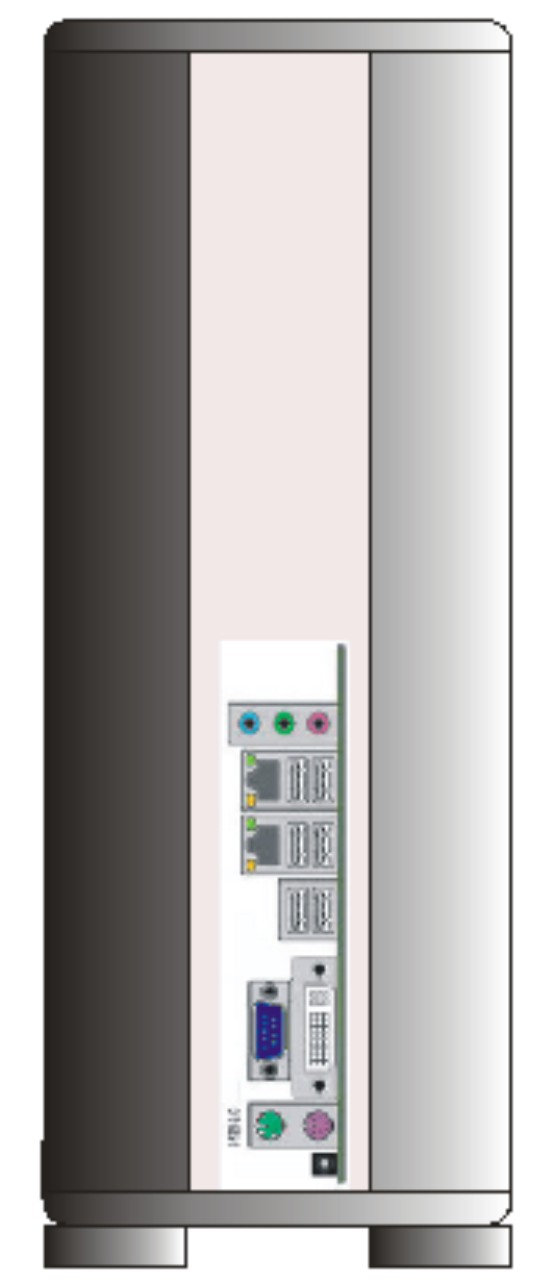
Width – the I/O shield between 2 corners

44.5+40+40 = 124.5mm.

Side length – the finned extrusion between 2 corners

160+40+40= 240mm

Height/length – 170mm motherboard with space for HDD above and masses of heat sink

375mm.

Design notes

The corner extrusions come with threaded inserts for the ends and these are used to bolt on the top and bottom plates.

4 big round feet enable the start button to be fitted in the base plate as well as the ‘power on’ LED and an angled power plug.

The radiused corners on the end plates match the case style.

Market position

There are many contenders for this silent PC slot but they are generally expensive and don’t have as big a heat sink. They are computers with heat sinks – ours is more a heat sink with a computer attached.

The beautiful, contrasting black and aluminium finish looks truly modern making this ‘the computer you want’ and in every way better than ‘the computer you need’.  Design flexibility allows the non cooling sides to be in various materials such as wood, aluminium or marble, none of which requires special tooling to produce.

Flexibility

This case provides excellent flexibility for product variation and expansion. The side panel with the I/O plate is long enough to mount DVD players or removable drive bays.

Marketing

Our philosophy is simple. Cut waste and spend the difference on better components.

Designed in solid aluminium this PC brings you beautiful modern looks that reflect the quality and performance of the internals.

To bring you the best value for money with absolute reliability we removed all the moving parts. All discs and fans have been replaced by top quality components to bring you the best value, high performance, totally silent PC.

The solid state drive gives exceptionally fast boot times and application loading.

Super fast USB-3 ports are available for you to plug in your external media storage devices or there is room inside for a hard drive.

The side plate holding the PSU can also house an optical media drive bay (41x146x185mm- dotted line on the drawing). A blue ray player built in makes the perfect HTPC.

The Technical stuff  below … read on if that’s your thing

Assembly

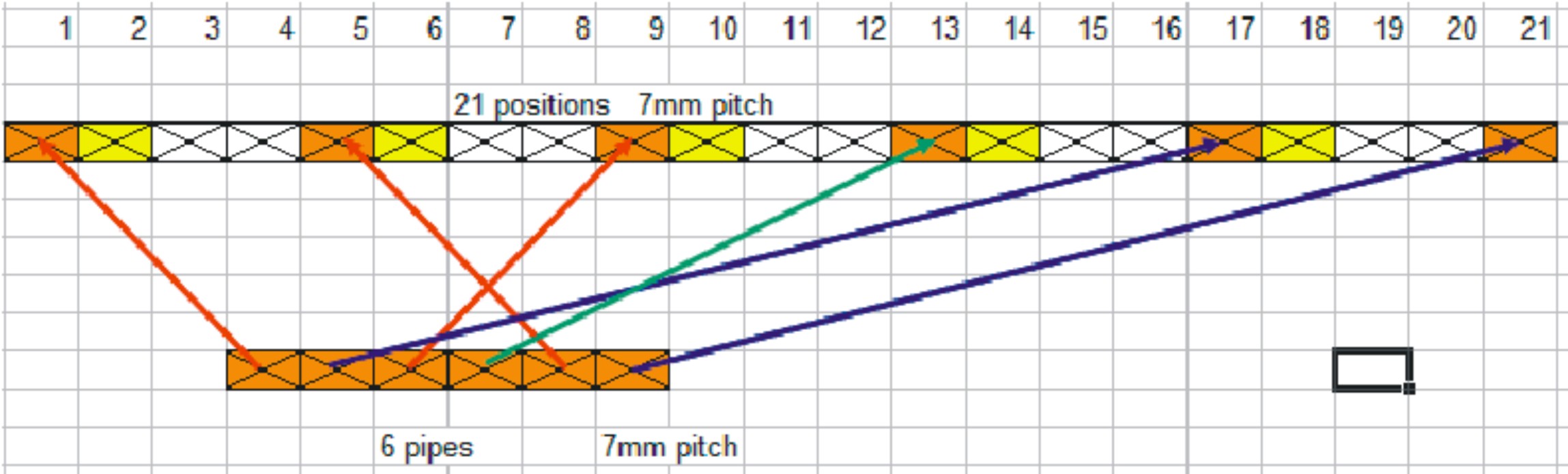
heat pipe layoutThe computer is assembled with the finned side down. The heat pipes are cranked down once clear of the motherboard and are pressed into the machined slots in the side. After that the PSU channel and the opposite face plate are fitted along with the I/O plate.

Any SSDs or HDD are screwed onto the lid with their looms running neatly up the side so as not to impede airflow. This lid and attached corners then bolts on and finally the end plates hold it all together.

The bending of the heat pipes is fairly minimal but it is, none the less, quite critical. The sketch above shows how just 3 shapes of bend are needed to fit all six pipes. The yellow positions show where additional heat pipes could be laid to increase the effective heat sink. The pitch of the heat pipe slots on the heat sink have to be exact multiples of the pitch on the CPU block.

Thermal performance calculations

The 6 heat pipes on the CPU block can remove at least 15W each and almost double that with the case in the upright position. Additional air flow through the case in this position will also remove some 10W from the CPU heat sink. So the pipes can remove well over 100W but, of course, we need to dispose of this heat through the case.

The heat pipes only lie in half of the finned side and the manufacturer’s figures suggest a DegC/W of 0.45 for this length. With the CPU at 50C and a room at 22C we would be looking at 65W cooling power which is in line with the 65W Core i5 8400. Actually CPUs can run much hotter and the cooling power would be equally higher.

The heavy aluminium heat sink side has plenty of room for five additional heat pipes to be placed between the existing ones and with heat pipes embedded along its entire length the case would be able to remove around at least 80W.  It is hoped that the case will be able to lie flat for 55W chips and be good for practically anything while standing up or on a VESA mount. The added cooling power of the corner extrusions has not been taken into account in these calculations so real world performance should be much better than indicated.

Theory is all very well but we can be sure by comparing with several existing silent PCs which work perfectly well. The Original Twist design has cooling surfaces of around 5 times that of the others so this should be the best of its kind. Some PCs have heat sinks; this PC is a heat sink!

This case is not in production yet. If you would like to own this design and the business of producing it please get in touch using the Original Twist contact form.

Go back

Your message has been sent

Warning
Warning
Warning
Warning

Warning.

Magic disappearing table

Now you see me

Now you see me

Now you don't

Now you don’t

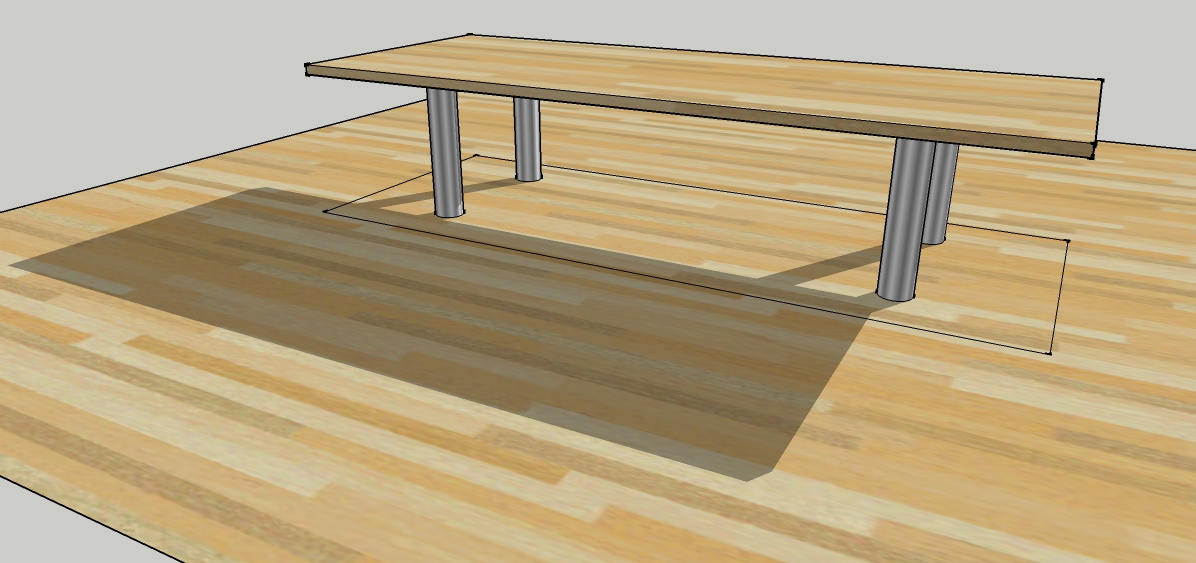
You’ve been one of eight guests for dinner in a very modern eco-house. You all dined on a lovely heavy wooden table standing on four polished steel pillars; all very much in keeping with the modern house. You help to clear away the last plate into the kitchen and when you return 10 seconds later the table has completely disappeared. What? Your hosts were in the kitchen too so where has it gone?
OK, here’s the secret of the Original Twist magic table, and strangely, to make one table disappear you need 2 tables. Every conjuring trick needs a secret prop.
To start with imagine the original floor – for me, wide lime-washed oak boards – and this is where the table starts off; at this moment it is the floor. Underneath there is a small pit just big enough to accommodate the 4 steel pillars the bases of which screw into a rectangular frame which is raised and lowered by screw jacks and an electric motor. To go techie for a moment, there is an upper frame too with big DU bushes in blocks to steady the legs. When the floor/table is raised up you don’t see a hole in the floor because immediately under the first table there is a second identical floor section with 4 holes through which the legs move. When the legs base frame comes up to the top of the pit it pushes the second floor up to exactly the right height and the illusion is complete. The table has appeared from nowhere and the floor is exactly like it was before.
Hygiene would be an issue but with a rubber backed rug over the floor the table will never have been walked on and double protection would be afforded by a tablecloth as well.
Servicing can all be done from above and would be even easier done from below if the pit had a side hatch accessed from the floor below.
There is more to this concept that the sheer theatre of it. The easy removal of a substantial table makes grand entertaining in a downsized house all very possible without having that old hat idea of a largely unused dining room.
There is a business waiting to be started here. Precast pit and frames etc waiting to be fitted to the floor. If you are interested please contact me on the form below.

More on this topic in LIST OF POSTS

Go back

Your message has been sent

Warning
Warning
Warning
Warning

Warning.

Bug-R-Off bug catcher gun

Bug-R-OffBug-R-Off Bug catcher
Spiders, scorpions, wasps, creepy leggy things; Bug-R-Off gets them all.

The Original Twist bug catcher enables any bug in the house to be captured with a single press of a trigger. It works like a one shot Hoover with a spring loaded piston causing an air blast to move the bug from a wall to inside the bug viewer.
The bug catcher is a short clear plastic tube with a funnel shaped trap at the front to enclose the bug and a cylinder off the side where the bug ends up after firing. The side cylinder is also clear plastic and incorporates a magnifying glass for better bug inspection.
The firing sequence. The piston has to be pulled to the front with a pull rod until it locks on the trigger stop. The pull rod is then pushed back into the gun and only then does an interlock allow the trigger to be pressed. When the trigger is pressed a spring pulls the piston back into the body of the gun and the vacuum causes air to enter the funnel trap and blast the bug into the gun too. Perforations at the back of the gun regulate the back pressure air and a twist collar can set the power from ‘Kill’ to ‘Kind’. There is a small hole at the very back of the gun which allows air to escape from the damper chamber which is simply where the back end of the piston ends up coming to a soft stop.
Just as the piston comes to a stop it uncovers the entrance to the bug viewer; the bug slams into the angled face of the piston and is deflected into the bug viewer along with some of the moving air. The entrance port to the bug viewer has some bendy hairs which give way to the bug and air but spring back to prevent the bug climbing out. After that the bug can be inspected and ejected by removing the bug viewer canister.

You saw it on Original Twist first. If you wish to use this design please get in touch using the contact form.